Dawit
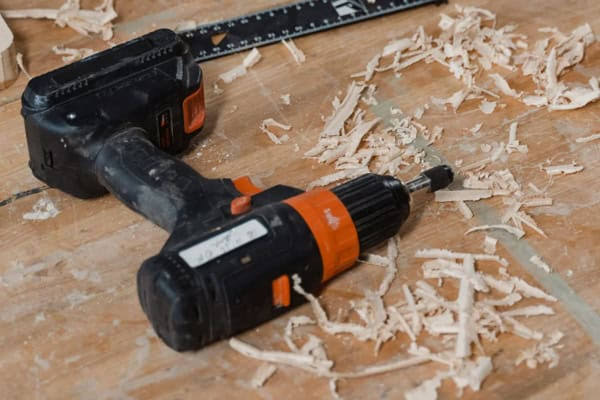
Power tools that see regular heavy-duty use are only as reliable as the care they receive between uses. On job sites where schedules are tight and delays carry real consequences, a malfunctioning rotary hammer isn’t just frustrating—it’s a productivity problem with direct cost implications. Understanding how to properly care for your equipment starts with recognizing how operational stress accumulates and what targeted maintenance can do to offset it. SDS drills, built for rotary hammering through concrete and masonry, are robust tools, but robustness doesn’t mean indestructible. A structured approach to tool care pays dividends far beyond the cost of maintenance supplies.
What Daily Use Does to a Rotary Hammer’s Internal Components
Every time a rotary hammer engages with hard material, its internal components absorb significant mechanical energy. The hammering mechanism, gear assembly, and motor all work in coordination to convert electrical energy into controlled percussive force. That coordination depends on tight manufacturing tolerances—tolerances that gradually loosen as components wear.
Dust ingress accelerates this process. Fine particles from concrete and masonry drilling work their way into gear assemblies and around seals, acting as an abrasive that wears down surfaces faster than normal operation alone would. Operators who work in particularly dusty environments should increase the frequency of their cleaning routines accordingly.
Cleaning Techniques That Actually Protect Internal Components
Cleaning a rotary hammer correctly requires more than a quick wipe-down. The goal is to remove debris without introducing new contaminants or pushing existing particles deeper into the tool.
Start by removing the bit and any bit accessories. Use a dry brush to clear the chuck area, paying close attention to the grooves and retaining mechanism. Compressed air is useful for vents and crevices, but direct the airflow outward from the tool rather than inward to avoid forcing debris toward internal components.
Avoid petroleum-based cleaners on rubber components, as they can degrade seals over time. For the tool body, a slightly damp cloth followed by immediate drying is sufficient for surface cleaning.
Understanding Chuck Maintenance and Bit Compatibility
The chuck system on a rotary hammer is engineered to engage specific bit shank types securely. Over time, the internal components of the chuck—retention balls, springs, and locking sleeves—accumulate wear that compromises bit retention. A bit that moves laterally during operation is a sign the chuck requires attention.
Inspect the chuck mechanism regularly by inserting a bit and checking for any sideways play. A small amount of movement is normal, but excessive play indicates worn retention components. Consult the service manual to determine whether the chuck can be serviced with replacement parts or needs full replacement.
Ensure bit compatibility with your specific chuck system. Using incompatible bit shanks places stress on retention components and accelerates wear beyond normal expectations.
Managing Heat to Protect Motor Longevity
Heat is one of the primary contributors to motor wear in rotary hammers. The motor generates heat during operation, and that heat needs to dissipate efficiently to prevent damage to windings and insulation. Blocked air vents are a direct cause of overheating, making vent cleaning a high-priority maintenance task.
During extended drilling sessions, allow the tool periodic rest intervals. Continuous operation without breaks gives heat time to accumulate beyond what the cooling system can handle effectively. Many professionals develop a natural rhythm that builds these pauses in organically, particularly when changing bits or repositioning anchors.
If the tool feels unusually hot during operation, stop and allow it to cool before continuing. Persistent overheating despite clean vents is a signal that internal components may need professional inspection.
Grease Selection and Application Best Practices
Not all grease is suitable for rotary hammer maintenance. The grease used in the hammering mechanism and gear assembly must withstand high temperatures, resist washout from concrete dust, and maintain its consistency across a range of operating conditions.
Manufacturer-specified greases are formulated with these requirements in mind. Using a generic automotive or multipurpose grease may seem like a practical substitution, but the performance differences become apparent over time through increased wear and reduced efficiency.
Apply grease to bit shanks before insertion to protect both the bit and the chuck mechanism. For internal gear assemblies, follow the service schedule outlined in the tool documentation. Applying too much grease can be as problematic as applying too little—excess grease can migrate toward motor windings or interfere with moving parts.
Recognizing Wear Patterns Before They Cause Failures
Tools communicate wear through changes in performance and behavior. A rotary hammer that vibrates more than usual, sounds different during operation, or requires more operator pressure to drive through material is signaling that something has changed internally.
Keeping a record of these observations helps distinguish normal long-term wear from sudden changes that suggest a specific issue. A sudden increase in vibration, for instance, may point to a loose internal component rather than general aging. Catching and addressing these changes promptly prevents minor issues from escalating into significant mechanical failures.
Professional Servicing as a Maintenance Investment
There’s a clear distinction between operator-level maintenance and professional servicing. Cleaning, lubrication, brush replacement, and bit inspection fall within operator responsibility. Internal gear work, wiring repairs, and seal replacement require workshop conditions and specialized tools.
Scheduling professional servicing at manufacturer-recommended intervals isn’t a sign of neglect—it’s the opposite. These service appointments allow technicians to inspect components that aren’t accessible during field maintenance and replace parts that are approaching the end of their service life. The cost of preventive servicing is consistently lower than the cost of emergency repair or unplanned tool replacement.
Building professional servicing into your annual equipment budget treats the rotary hammer as the capital asset it is, rather than a consumable that gets replaced when it finally stops working.