Dawit
Cost Per Lead Only Tells Part of the Story
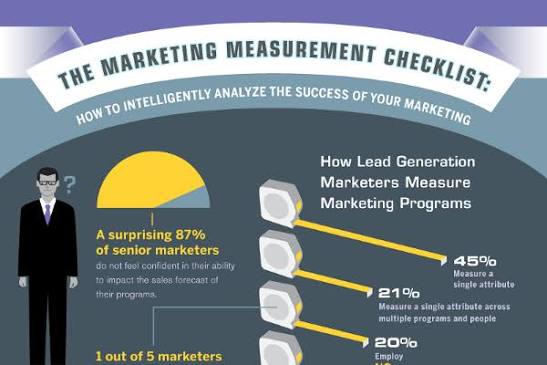
One of the most common marketing mistakes contractors make is evaluating every campaign based on cost per lead alone. While cost per lead is an important metric, it only tells a small part of the overall story.
Imagine two marketing campaigns. One produces 100 inexpensive leads, but only a handful turn into paying customers. The second produces 40 leads at a higher cost, but most of those leads become profitable jobs. If you only look at cost per lead, the first campaign appears to be the better investment. When you look at actual revenue, the second campaign may be far more valuable.
Growing home service companies understand that success is measured by revenue and profitability, not simply by how many people filled out a contact form or made a phone call.
Every Lead Is Not Created Equal
Not every lead has the same value. Some homeowners are simply gathering information. Others are price shopping. Some are ready to schedule service immediately, while others are researching projects that may not happen for months.
This difference has become even more important as digital marketing has evolved. One advertising campaign may produce a large number of low-quality inquiries, while another generates fewer but far more qualified opportunities.
Contractors who focus only on lead quantity often spend valuable time chasing customers who were never serious buyers. Businesses that evaluate lead quality instead of just lead volume are able to invest their marketing dollars much more effectively.
The goal is not to generate the most leads. The goal is to generate the most profitable business.
Booked Jobs Matter More Than Raw Leads
A marketing campaign should ultimately be judged by how many jobs it creates, not simply how many phone calls it generates.
Tracking booked appointments helps contractors understand which marketing channels consistently generate customers rather than just inquiries. Some channels may generate many calls that never result in estimates. Others may produce fewer calls but much higher booking percentages.
Understanding this difference helps business owners make better decisions about where future marketing dollars should be invested. Marketing that produces booked jobs creates revenue. Marketing that produces only inquiries creates activity without necessarily growing the business.
Average Job Value Changes Everything
Another important metric that contractors often overlook is average job value.
Different marketing channels frequently attract different types of customers. One source may generate mostly small repair jobs, while another consistently produces full system replacements, remodeling projects, or large restoration jobs.
Looking only at lead cost ignores these differences.
For example, spending slightly more to acquire customers who invest in larger projects often produces significantly greater profits than generating large numbers of small service calls. Tracking average ticket size allows contractors to understand which marketing efforts are attracting the types of customers they want to grow.
Customer Lifetime Value Is Often Overlooked
Many contractors stop measuring marketing performance after the first completed job. However, the value of a customer often extends far beyond that initial project. A homeowner who hires your company today may return for maintenance, repairs, upgrades, or additional services for many years. They may also recommend your company to neighbors, family members, and friends.
Customer lifetime value measures the total revenue generated over the entire relationship instead of focusing only on the first sale.
Marketing campaigns that attract loyal, long-term customers often provide far greater returns than campaigns focused only on generating immediate transactions.
Return on Investment Provides a Clearer Picture
One of the most valuable metrics contractors can measure is return on marketing investment.
Rather than asking, “How much did each lead cost?” successful companies ask, “How much revenue did this marketing investment produce?” This calculation considers total advertising spend alongside booked jobs and completed revenue. It provides a much clearer understanding of which marketing channels are actually helping the business grow.
Some marketing efforts may appear expensive at first but deliver exceptional long-term returns. Others may seem inexpensive while producing very little revenue.
Looking at return on investment removes much of the guesswork from marketing decisions.
Technology Makes Better Measurement Possible
Today’s contractors have access to powerful technology that makes marketing measurement easier than ever.
Call tracking systems identify where phone calls originate. Customer relationship management software tracks leads from first contact through completed jobs. Marketing dashboards combine information from multiple advertising platforms into one place. These tools allow business owners to understand exactly how customers found the company, how much revenue each campaign generated, and where future marketing investments should be directed.
Instead of relying on assumptions, contractors can make decisions using real performance data.
Better Data Leads to Better Decisions
Marketing should never remain static. The best contractors constantly evaluate performance and make adjustments based on what the numbers reveal.
Campaigns that consistently produce high-value customers deserve additional investment. Strategies that fail to generate profitable work should be improved or replaced. This ongoing optimization allows marketing performance to improve over time while reducing wasted spending.
The companies that grow fastest are usually the ones that learn from their data instead of simply collecting it.
Focus on What Actually Grows the Business
Cost per lead will always remain an important metric, but it should never be the only one guiding marketing decisions.
Booked jobs, closing percentages, average project size, customer lifetime value, return on investment, and total revenue all provide a much more complete picture of marketing performance. When contractors begin measuring the numbers that truly matter, they stop chasing inexpensive leads and start building more profitable businesses.
In 2026, the companies experiencing the strongest growth are not necessarily generating the cheapest leads. They are generating the right customers, measuring the right metrics, and making smarter marketing decisions that produce consistent, long-term revenue.